March 4, 2026
Understanding when to seek professional help for your vehicle is crucial for maintaining its health and longevity. Vehicles, like any complex machine, require regular maintenance and timely repairs to function effectively. This article aims to guide you through the various scenarios where checking in with a local auto repair shop is recommended. Ignoring certain signs or delaying routine maintenance can lead to larger, more costly problems down the line.
Routine Maintenance and Check-Ups
Routine maintenance is the backbone of a well-functioning vehicle. One of the most fundamental maintenance tasks is the oil change. Depending on your car’s make and model, oil-change intervals can vary. According to Consumer Reports, many automakers recommend oil-change intervals at 7,500 or even 10,000 miles and six or 12 months. Regular oil changes keep your engine lubricated, reduce friction, and prevent damage to engine components.
Tire maintenance is another critical aspect of routine checks. Tire rotation and alignment ensure that tires wear evenly, improving their longevity and performance. Worn or misaligned tires can lead to decreased fuel efficiency and a higher chance of tire failure. Regularly checking tire pressure and alignment can save you money on fuel costs and prevent unnecessary wear. Additionally, routine brake inspections can identify wear and tear early, ensuring your brake system functions correctly and safely.
Other routine tasks include battery checks and air filter replacements. A failing battery can leave you stranded, while a clogged air filter can reduce engine performance and fuel efficiency. Electric system tests ensure your vehicle’s lights and signals work properly and identify potential battery issues. Likewise, replacing air filters as part of regular maintenance keeps your engine clean and efficient. By attending to these components regularly, you maintain your vehicle’s performance and avoid costly repairs.
Unusual Noises or Vibrations
Unusual noises or vibrations in a vehicle can be early indicators of larger problems. Squealing or grinding noises from the brakes can suggest worn brake pads or damaged rotors. Ignoring these sounds can eventually lead to brake failure, a serious safety hazard. Similarly, engine knocks, or pinging may indicate issues with fuel octane levels or internal engine components. Addressing these sounds early can prevent further damage and keep your vehicle functioning efficiently.
Vibrations felt during acceleration or unusual noises from the exhaust are also cause for concern. Vibrations can result from issues like unbalanced tires or problems with the drivetrain. Meanwhile, strange noises in the exhaust system might be indicative of leaks or rusty muffler parts. Both issues can affect vehicle performance and emissions. Detecting these issues early through professional diagnosis can prevent worsening conditions and expensive repairs.
Steering wheel shakes can be alarming and suggest problems with alignment or the suspension system. Misalignment might cause uneven tire wear and decreased control while driving. Certain vibrations could also signify issues with ball joints, tie rods, or suspension components. A local auto repair shop has the tools and expertise to correct these problems efficiently. Addressing vibrations and noises promptly ensures the safety and reliability of your vehicle.
Dashboard Warning Lights
Dashboard warning lights serve as crucial alerts about your vehicle’s condition. The check engine light, for example, can signify a wide range of issues, from a loose gas cap to more serious engine conditions. Ignoring this light may lead to further complications, making it wise to have professionals diagnose the underlying cause. Advanced scan tools at your local auto repair shop can pinpoint the specific problem, saving time and providing peace of mind. Timely attention to these warnings keeps your car running smoothly.
The ABS warning light relates to your vehicle's anti-lock braking system. This light may appear if there's a malfunction in the ABS system, affecting your ability to stop safely in an emergency. Similarly, the battery alert light indicates charging problems, potentially leaving you stranded if ignored. Professional mechanics can perform checks to determine if the battery or alternator needs replacement or if there's another underlying issue. Paying attention to these warning lights keeps your car's electronic systems functioning properly.
The tire pressure monitoring system and transmission temperature warning are additional key indicators to watch for. Under-inflated tires can lead to excessive tire wear and increased fuel consumption. Meanwhile, a transmission temperature warning suggests overheating, requiring immediate attention to avoid irreversible damage. Regular checks during scheduled maintenance visits can preempt these warnings. By addressing dashboard alerts promptly, you prevent small issues from becoming costly problems.
Decline in Performance and Fuel Efficiency
A noticeable decline in your vehicle's performance can be a sign that it's time to visit your local auto repair shop. Poor acceleration may suggest problems with the engine, such as fuel delivery issues or spark plug malfunctions. Routine tune-ups can fix these inefficiencies, restoring your vehicle's original performance capabilities. Likewise, decreased mileage is often a symptom of underlying engine or exhaust system problems, like clogged air filters or a failing catalytic converter. Professionally diagnosing these issues ensures efficient fuel usage and cost savings.
Engine stalling or hesitation is another symptom of performance decline, signifying potential issues with ignition systems or fuel injectors. These problems can lead to unsafe driving conditions and should be addressed immediately. Regular inspections and maintenance can prevent stalling and hesitation by keeping the vehicle's engine components clean and functional. Moreover, a failed emissions test can mean your car is releasing more harmful pollutants than legally permissible. Repair shops have the expertise to bring your vehicle back within emission standards.
Difficulty starting the vehicle is another red flag, possibly indicating problems with the ignition system or battery. This issue could lead to being stranded if left unaddressed. Visiting your local auto repair shop can pinpoint the exact cause, whether it's a simple battery replacement or something more complex. By addressing and repairing these issues promptly, you ensure your vehicle operates reliably. Regular maintenance helps identify potential problems early, ensuring long-term vehicle performance.
Visible Leaks or Damage
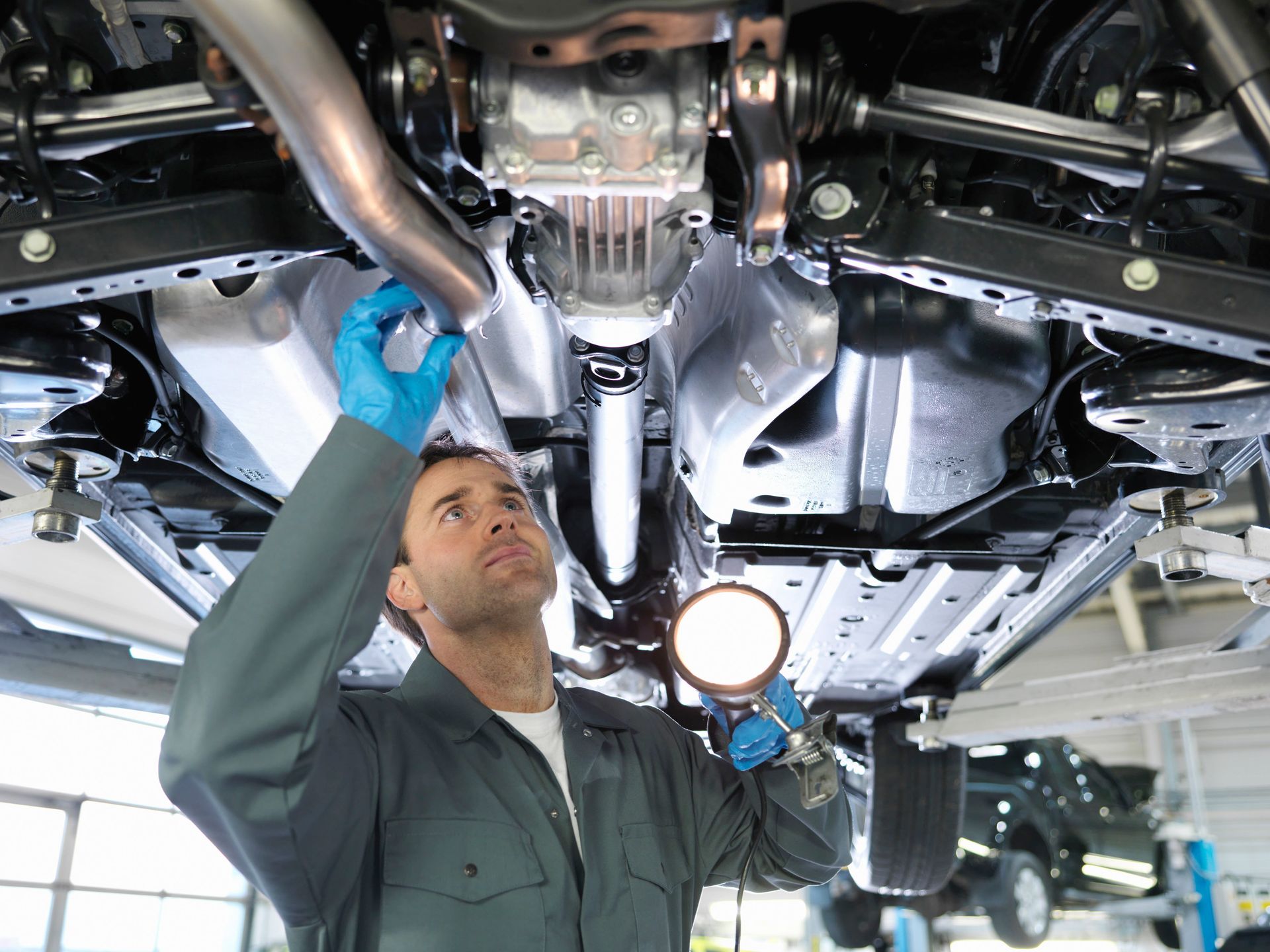
Visible leaks or damage to your vehicle require immediate attention to avoid further complications. Coolant leaks can quickly lead to overheating, causing significant engine damage if ignored. Regularly inspect your vehicle's undercarriage and engine bay for signs of leaks. Professional mechanics can assess and seal leaks effectively, reducing the risk of overheating. Promptly addressing leaks maintains your vehicle’s performance and prevents costly repairs.
Oil spots underneath your vehicle can indicate an engine oil leak. This leak not only creates environmental hazards but can also lead to engine failure if the oil level becomes too low. Mechanics have the expertise to trace the source of leaks, whether it's a worn gasket or a deteriorating seal. Regular oil changes and inspections can detect leaks early. Similarly, damage to your vehicle's body or bumpers should be examined to prevent further deterioration and maintain structural integrity.
Cracks in windows or the windshield are other forms of visible damage needing attention. Damaged glass can obstruct vision and weaken the vehicle's structure. Repair or replacement by professionals ensures safety and restores structural integrity. Also, exhaust smoke or visible leaks from the exhaust system can indicate engine or emissions issues. Timely repairs not only maintain vehicle performance but also keep emissions within allowable limits. Addressing visible damage promptly minimizes further complications and retains the vehicle's aesthetic appeal and safety.
Regularly checking in with a local auto repair shop ensures your vehicle runs smoothly and minimizes the risk of unexpected breakdowns. By attending to routine maintenance, unusual noises, and dashboard warnings promptly, you extend your vehicle's life and ensure its safe operation. Seasonal preparations further contribute to maintaining the vehicle's reliability and efficiency. Addressing these factors is a proactive approach to preserving your investment in your vehicle. Through careful maintenance and timely professional intervention, you'll enjoy a safer and more dependable driving experience. Keep your vehicle running safely and efficiently by contacting Attkisson Automotive today!