March 26, 2026
When it comes to keeping your vehicle safe, few things matter more than staying on top of your braking system. Understanding what goes into brake repair costs—and what drives them—can help you avoid surprises and make smarter decisions about maintenance. Whether you're dealing with worn pads or more complex issues, knowing what to expect puts you in control of both safety and budget.
Understand Brake System Components
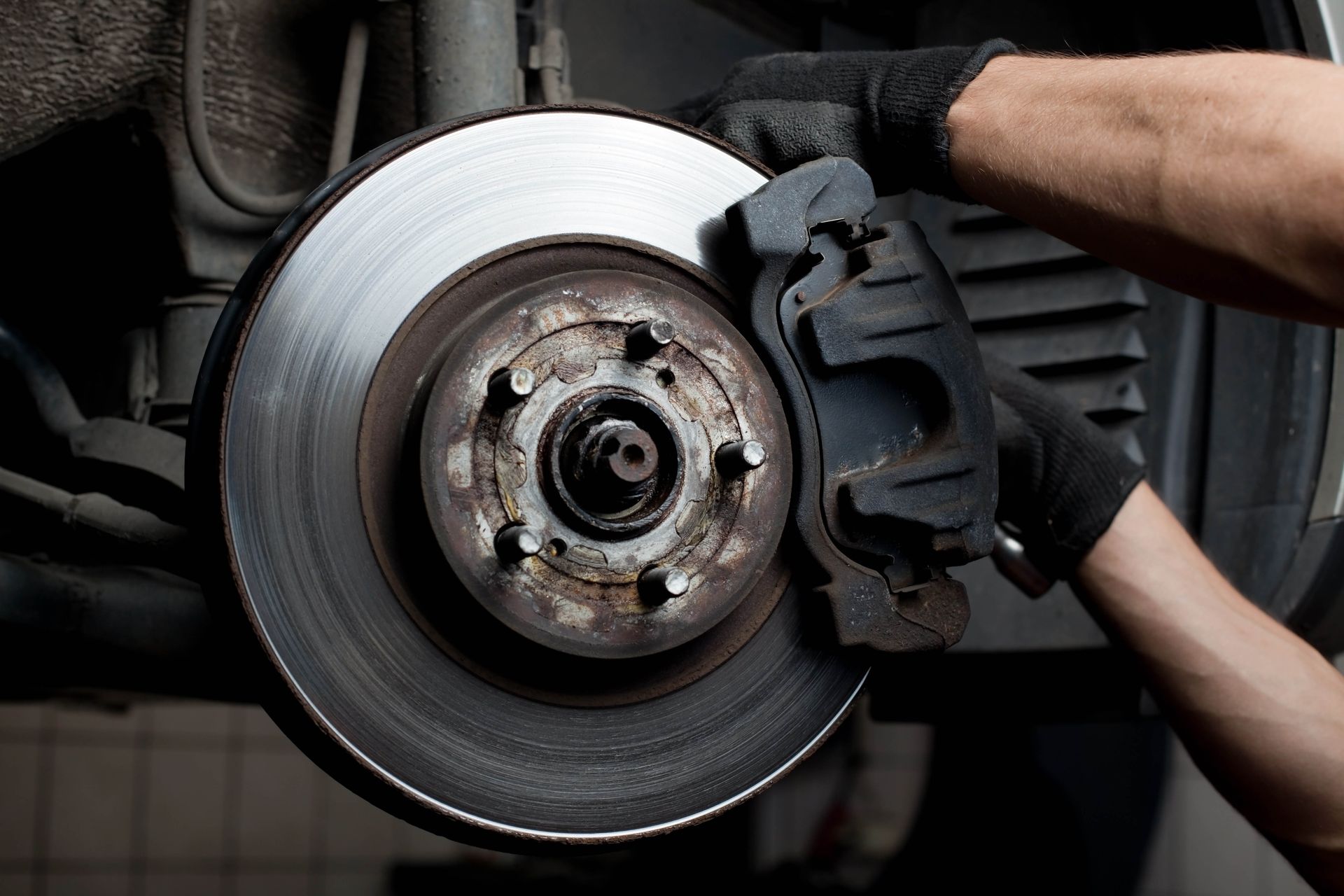
Your vehicle’s braking system is made up of several essential parts, including brake pads, rotors, calipers, and brake fluid, all working together to create the friction needed to stop your car safely. Brake pads press against the rotors, while calipers apply the pressure and brake fluid transfers force through the system. When any one of these components begins to wear down, the entire system can lose efficiency, which is why brake repair should never be delayed. Over time, constant friction and heat take a toll on these components, especially brake pads, which are designed to wear down first, while uneven rotors or contaminated fluid can also affect performance, leading to vibrations or reduced stopping power, and regular inspections help catch these issues early before they turn into more expensive problems. Paying attention to warning signs like squealing, grinding, or reduced responsiveness can help you address problems quickly, and staying proactive with maintenance ensures your braking system remains reliable while reducing the likelihood of needing extensive repairs later.
Learn How Brake Systems Function
When you press the brake pedal, hydraulic pressure forces brake fluid through lines to the calipers, which then push the brake pads against the rotors to slow your vehicle. This process converts motion into heat, allowing your car to stop efficiently, and if any part of this system fails, your stopping ability can be compromised, making timely brake repair essential for safety. Even small issues, like low brake fluid or minor rotor damage, can significantly impact performance, and understanding how the system works helps you recognize when something feels off, whether it’s a soft pedal or delayed braking response. Having a basic understanding of braking mechanics also helps when discussing repairs with a technician, allowing you to better understand recommendations, ask the right questions, and make informed decisions about your vehicle.
Identify Different Brake System Types
Most vehicles use disc brakes, drum brakes, or anti-lock braking systems (ABS), each with its own maintenance needs and cost considerations. Disc brakes are common and offer reliable stopping power, while drum brakes are typically used on rear wheels and may last longer but require different servicing, and ABS adds an extra layer of safety by preventing wheel lock-up during sudden stops. Each system comes with its own repair considerations, which can affect overall costs, since ABS systems involve electronic components that can increase diagnostic time while drum brakes may require more labor-intensive servicing, so knowing what type of system your vehicle uses can help you anticipate maintenance needs and budget accordingly for
brake repair. Routine inspections tailored to your brake type can prevent unexpected failures, and whether it’s checking pad thickness or ensuring sensors are functioning properly, consistent care keeps your system operating at peak performance.
Recognize Warning Signs Early
Brake problems rarely appear without warning, and recognizing early symptoms can save you from costly repairs. Common signs include squealing noises, grinding sounds, vibrations, or a soft brake pedal, all of which often point to worn pads, damaged rotors, or fluid issues that require prompt attention. If your vehicle pulls to one side or you notice a burning smell while driving, it may indicate uneven wear or overheating components, and ignoring these warning signs can escalate minor issues into major system failures, making brake repair more complex and expensive. Addressing problems early not only protects your wallet but also ensures your safety on the road, since quick action can prevent damage to multiple components and reduce overall repair time.
Prioritize Regular Brake Maintenance
Routine maintenance is one of the most effective ways to keep repair costs manageable and ensure consistent performance. Simple tasks like checking brake fluid, inspecting pads, and monitoring rotor condition can prevent larger issues from developing while reducing the likelihood of unexpected breakdowns. According to Cars.com, brake pads may wear out after just 15,000 to 30,000 miles in heavy city or stop-and-go traffic, but can last 70,000 miles or more with mostly highway driving, which highlights how driving habits directly impact maintenance schedules and the frequency of brake repair. Regular service appointments also give technicians a chance to spot early signs of wear that might otherwise go unnoticed, helping extend the life of your braking system while keeping long-term costs under control.
Evaluate Factors That Affect Costs
Several variables influence the overall cost of brake work, including the type of vehicle, quality of parts, and severity of the issue. Larger vehicles or performance models often require more durable components, which can increase expenses, while economy vehicles typically have more affordable repair options. The choice between OEM and aftermarket parts also plays a role in pricing and longevity, since higher-quality parts may cost more upfront but often last longer and perform better, reducing the need for frequent replacements and helping you make smarter decisions when planning for brake repair. Labor costs vary depending on location and shop expertise, so comparing options in your area can be beneficial while balancing cost with quality to ensure you receive reliable service without cutting corners on safety.
Compare Common Brake Repair Costs
Different types of brake services come with varying price points, making it important to understand what you’re paying for. Brake pad replacement is typically one of the most affordable services, while rotor replacement or caliper repairs can be more expensive depending on the extent of damage. Being informed about these costs allows you to budget more effectively and avoid being caught off guard when repairs are needed while also helping you identify fair pricing when comparing service providers.
Act Early to Prevent Major Repairs
Delaying necessary repairs often leads to more severe damage, which can significantly increase costs. Worn brake pads can damage rotors, and fluid leaks can compromise the entire system, so acting quickly when issues arise helps prevent a chain reaction of costly repairs and keeps brake repair from becoming more extensive. Routine inspections and prompt service keep small problems from escalating into major mechanical failures, ensuring your vehicle remains safe and reliable while reducing both downtime and expenses. Taking a proactive approach to maintenance ultimately saves money and stress by keeping your vehicle in better condition and minimizing the need for extensive work down the line.
Keeping up with your braking system doesn’t have to be overwhelming when you understand what to look for and how costs are determined. From recognizing early warning signs to staying consistent with maintenance, a little attention goes a long way in avoiding major repairs and ensuring your safety on the road. If your vehicle is showing signs of wear or you simply want peace of mind, the team at Attkisson Automotive is here to help. We provide honest recommendations, same-day quotes, and reliable service from ASE-certified technicians who treat your vehicle like their own—schedule your inspection today and let us keep your brakes performing at their best.