August 10, 2026
Driving along the road only to notice temperature gauges spiking or steam billowing from under the hood can be an unsettling experience for any driver. Modern engines generate tremendous thermal energy during operation, relying on intricate systems to keep operating temperatures within safe limits. This thermal network consists of a water pump, radiator, thermostat, cooling fans, and fluid engineered to absorb ambient heat. When components within this system wear out or fail, excess heat quickly builds up and threatens critical engine parts. High internal temperatures can ruin expensive metal castings and distort tight mechanical tolerances. Understanding why this happens and knowing how to respond safely can prevent minor complications from turning into major mechanical failures. Professional technicians at a dedicated auto repair shop diagnose these thermal issues before severe damage occurs.
Common Causes Behind Rising Engine Temperatures
Several distinct issues can trigger a sudden or gradual spike in engine heat. Coolant leaks are among the most frequent culprits, often stemming from degraded hoses, a compromised radiator, or a worn water pump seal. When fluid levels drop, the remaining liquid cannot effectively absorb and transfer heat away from the engine block. Furthermore, a stuck thermostat can prevent coolant from circulating properly through the radiator, trapping intense heat inside the engine bay. Air pockets inside the cooling lines can also block fluid flow and lead to localized hot spots. Bringing your vehicle to a local auto repair shop allows trained mechanics to pinpoint the exact source of cooling failure using professional diagnostic tools.
Early Warning Signs on the Road
Recognizing the early signs of high temperature allows you to act before catastrophic engine failure takes place. Aside from the obvious temperature gauge rising into the red zone or warning lights illuminating on the dashboard, you might notice sweet-smelling vapor entering the cabin or coming from the front grille. Unusual thumping or ticking sounds from the engine bay can also indicate boiling coolant or insufficient lubrication due to extreme heat. You might even experience a sudden loss of engine power as internal parts begin to swell and create friction. If any of these symptoms appear during a commute, scheduling an inspection at an auto repair shop is the safest way to address the underlying fault.
Safe Actions to Take When Temperature Spikes
If your engine begins to run hot while driving, taking immediate, deliberate action is critical to protect your vehicle and safety. First, turn off the air conditioning system and switch the heater to full power, as this helps pull excess heat away from the engine into the cabin. Signal safely, pull over to a secure location away from traffic, and turn off the engine completely. Waiting patiently for the system to cool down completely is essential before trying to inspect fluid levels visually. Never attempt to remove the radiator cap or touch hot engine components while the system is hot. Instead, contact a reputable auto repair shop to arrange professional towing and inspection.
Dangers of Continuing to Drive a Hot Engine
Continuing to operate a vehicle that is exceeding its normal operating temperature can lead to extreme mechanical destruction within minutes. Excessive thermal pressure can warp cylinder heads, blow head gaskets, and crack engine blocks, leading to repair bills that far exceed simple cooling maintenance. High heat can also cause pistons to expand beyond their tolerances, scoring cylinder walls and leading to complete engine seizure. Furthermore, extreme heat breaks down engine oil rapidly, removing essential lubrication and causing metal parts to grind together. Relying on a qualified auto repair shop to assess the damage immediately helps preserve the structural integrity of your engine.
Long-Term Vehicle Ownership and Component Wear
As vehicles age, cooling system components naturally experience wear and tear from constant temperature cycles and pressure fluctuations. According to LLCBuddy, reports show that individuals typically keep their cars for about 8.4 years. Over such an extended period of ownership, rubber hoses harden, radiator fins accumulate debris, and mechanical pumps gradually lose efficiency. Internal corrosion can slowly degrade metal passageways without showing obvious external leaks right away. Regular preventative maintenance performed at a reliable auto repair shop ensures that aging parts are replaced before they lead to an unexpected breakdown on the road.
Professional Technicians and How They Diagnose Cooling Issues
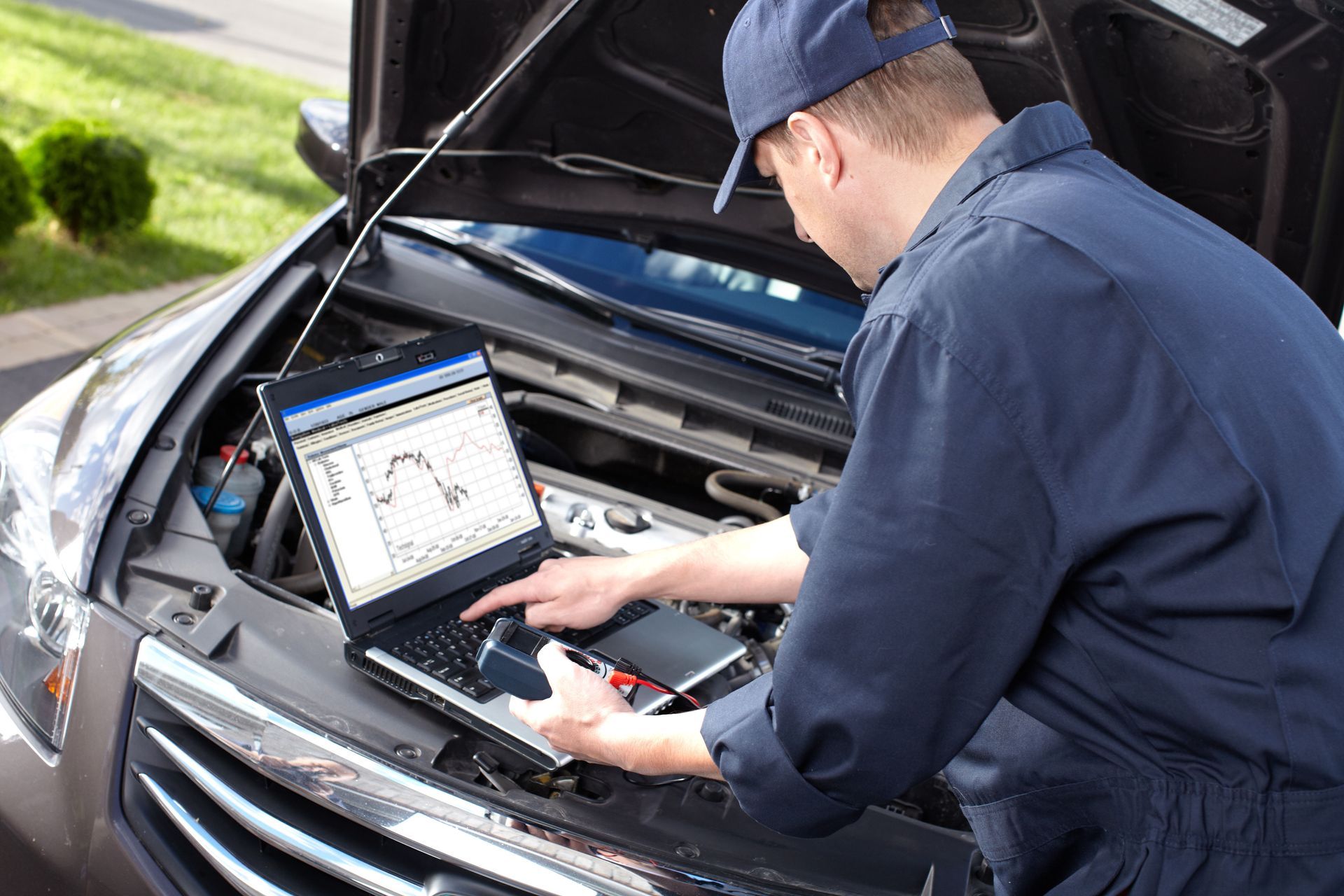
Diagnosing modern cooling systems requires expert equipment and extensive technical training to ensure accuracy and safety. Professional mechanics utilize cooling system pressure testers to identify microscopic leaks that are invisible to the naked eye. They also employ digital infrared thermometers to detect thermal blockages inside radiators and fluid analyzers to check for combustion gases in the coolant. These diagnostic steps prevent unnecessary part replacements by identifying the true root cause of heat retention. Depending on a certified auto repair shop with your vehicle guarantees a thorough evaluation rather than guesswork.
Preventative Maintenance to Avoid Overheating
Preventative care is the most effective approach to ensuring your engine runs at appropriate temperatures year-round. Routine maintenance schedules should always include cooling system flushes, fluid checks, and thorough inspections of belts and hoses. Over time, coolant loses its anti-corrosive properties and can allow rust and sediment to accumulate inside internal engine passages. Replacing worn drive belts ensures that the water pump and cooling fan maintain continuous operation. Having an experienced team at an auto repair shop perform scheduled fluid exchanges preserves heating and cooling efficiency over the lifetime of your vehicle.
Quality Replacement Parts
When repairs become necessary, the quality of replacement components plays a vital role in long-term reliability. Subpar gaskets, hoses, or water pumps may fail prematurely under high-stress driving conditions, placing your engine at risk once again. High-quality hoses withstand extreme pressure spikes, and precision-engineered thermostats open consistently at exact temperature thresholds. Professional facilities source high-grade parts designed to meet or exceed original equipment specifications for your specific vehicle make and model. Relying on an established auto repair shop ensures that every replacement part is installed correctly and backed by reliable service guarantees.
Professional Repair Facilities and Choosing the Right One for Your Vehicle
Finding a dependable service provider gives you peace of mind whenever unexpected mechanical issues arise. Look for service centers staffed by certified technicians who demonstrate clear communication and transparent service standards. Honest advice regarding necessary repairs helps you make informed choices for your vehicle's longevity and performance. Experienced facilities possess the professional tools required to service complex modern cooling networks efficiently. Establishing a relationship with a dependable auto repair shop ensures your vehicle receives consistent, high-quality care whenever cooling or engine concerns occur.
Secured Investment for the Long Haul
An overheating engine is a clear signal that your vehicle requires prompt, expert attention to avoid permanent mechanical failure. Paying attention to warning signs, pulling over safely when temperature rises occur, and avoiding further operation can save you time and costly repairs. Taking action early prevents cascading mechanical failures that could disrupt your daily transportation plans. Routine inspections and timely component replacements remain essential for keeping your vehicle running smoothly for years to come. Whenever you suspect cooling system issues, visit an auto repair shop to keep your vehicle performing safely on every journey.
Engine overheating is a serious condition that demands prompt professional evaluation to prevent major mechanical damage. From degraded coolant and failing thermostats to aging radiators, identifying the root cause requires technical expertise and proper diagnostic tools. Protecting your vehicle through routine maintenance and immediate professional care ensures safe, reliable transportation for all your miles ahead. For expert diagnostic services, routine maintenance, and quality repairs, call us at Attkisson Automotive to keep your vehicle running smoothly.